





















In short: fishing games work on a three-step loop — you cast a line to a target depth, you tap to hook fish on the way back up, and the catches you keep convert into coins that fund deeper, rarer waters. Skill controls the timing; a hidden probability table controls which fish appear. That tight feedback loop, repeated every 10–20 seconds, is what makes the genre so easy to start and so hard to put down.
The Core Loop: Cast, Catch, Upgrade
Every casual fishing game runs on the same three-beat rhythm:
- Cast. Your line drops to a target depth, often a few seconds long.
- Catch. You reel up through layers of fish, tapping at the right moment to hook each one.
- Upgrade. Coins from the run buy longer line, bigger hooks and sharper bait — which unlock the next layer of depth and species.
The loop is short by design. Every cast must feel like progress, even when the haul is small.
Why Timing and Probability Both Matter
Two systems run in parallel. Hit windows are skill-based: tap inside the window and you keep the catch. Spawn tables are probabilistic: common fish fill the early game, while rare and legendary species appear with diminishing odds, usually gated by depth or upgrade tier. The mix of skill and randomness is what produces the “one more cast” feeling.
What Makes a Browser Fishing Game Feel Modern?
Modern browser titles add three things to the classic formula: lightweight 2D physics for line tension and water drag, idle progression so the game keeps producing coins offline, and weekly events to refresh the upgrade ceiling. These tweaks turn a five-minute play session into thirty without changing the core loop.
Try It Yourself in 10 Seconds
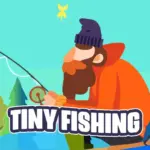
The fastest way to feel the loop is to play one. Open Tiny Fishing on the homepage — no install, no sign-up, the game launches in your browser. Once you’ve cracked the rhythm, browse our full catalogue for similar titles to compare designs.